
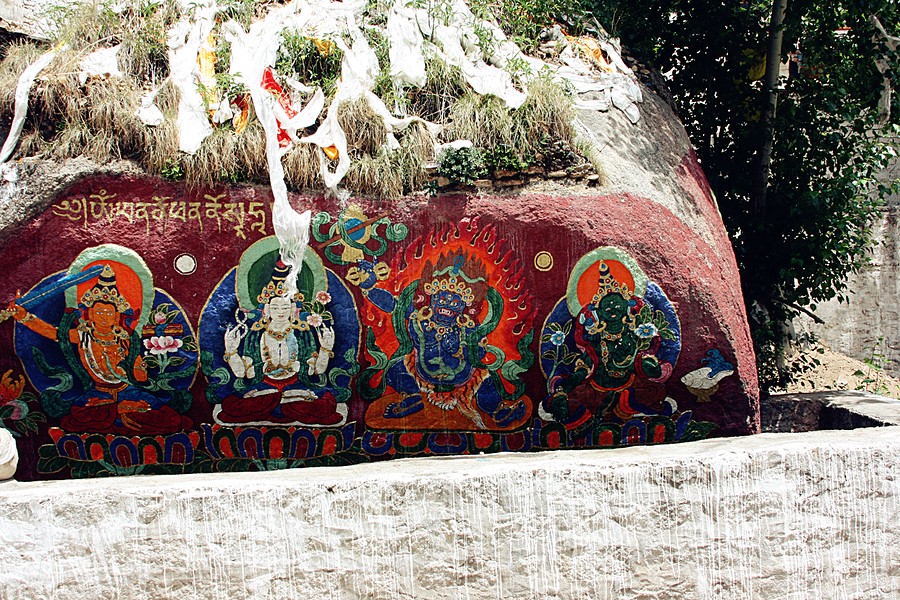
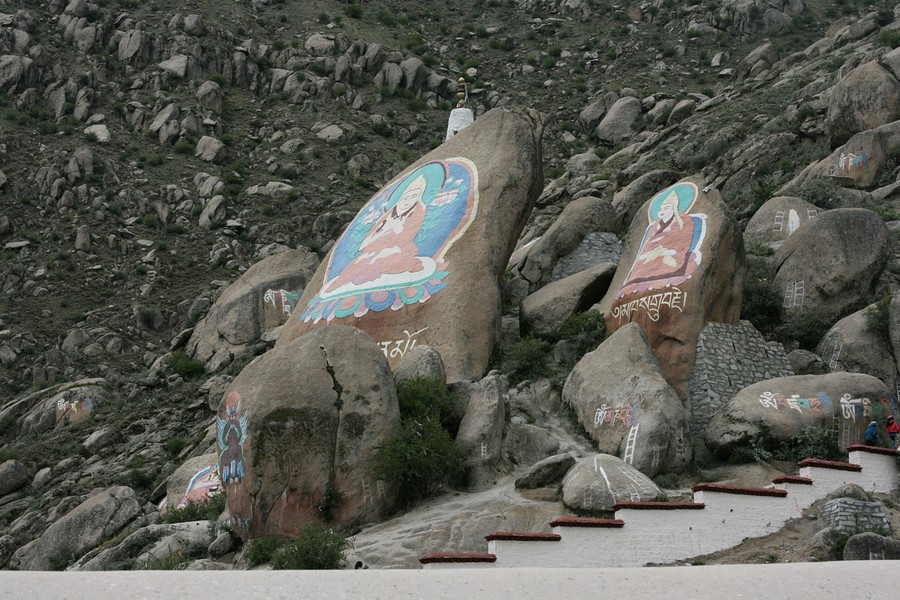
We took the 24-hour express train from Xi Ning to Tibet. The train actually departed from Beijing, had its layover at Xi Ning for supplies and cleaning, dropped off some passengers here and picked up the new ones. This time, the train was pressurized. They had the small vents on the train for this purpose. Todd had his IDs checked a couple of times, for China now has applied stricter rules for foreigners trying to travel to Tibet. In his blog, Todd wrote more about our ride to Tibet and how we met our companion for this Tibet trip. I’ll skip that part and go directly to the trip. After settling down in our hotel. We went out to check out the city 拉萨 (Lhasa). We had our meal at a Szechuan restaurant. Since Sichuan Province (the English Szechuan is the same as Sichuan) is adjacent to Tibet, there are lots of Sichuan immigrants in Tibet. We ordered the big dish chicken again this time because I was really craving for it, but it did not taste as half good as the one we had at the Muslim restaurant. Bummer. But Todd noticed sometime he liked and would like to try next time. The dish was served at the table next to us, so we asked the waitress what it was and decided to order it when we came back from Mt. Everest! After dinner we decided to walk a bit, but Todd suggested not too far, since he was a foreigner and shall not leave the group alone. Within the few hundred meters we walked, we couldn’t help noticing that the density of police offices. Feels like there were more cops than civilians. Guess it was because of the violent incidents happened here in the past couple of years. There was not much to see, so we stopped by a small supermarket to buy some snacks for tomorrow’s long ride and went back to our hotel room. The second day we arrived at Lhasa, we headed to 哲蚌寺 (Drepung Monastery). 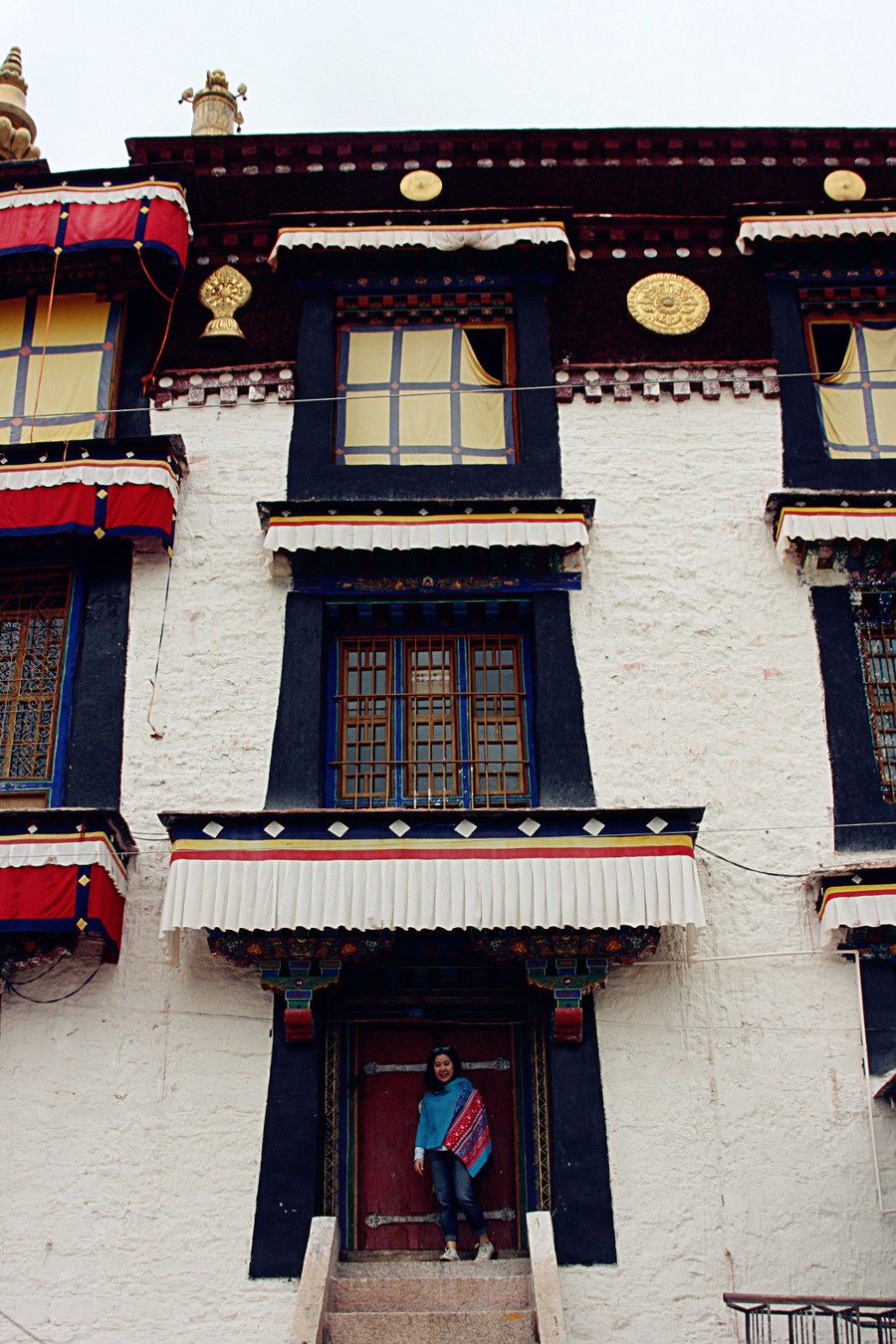 Our tour guide briefed us on the history and the origin of different sects of Tibetan Buddhism. It felt like in Tibet, coming to the monasteries to worship the Buddha are as common as eating and sleeping, unlike places outside Tibet where people go to the temples at special occasions. Some monks are even allowed to be married and have families.
  In Tibet we found lots of places named “Tea House.” I peeped in and noticed nearly most of the customers were local Tibetan in their traditional Tibetan clothes. Our guide, a local Tibetan girl told us the Tea Houses were just restaurants serving traditional local food such as butter tea and tsampa.
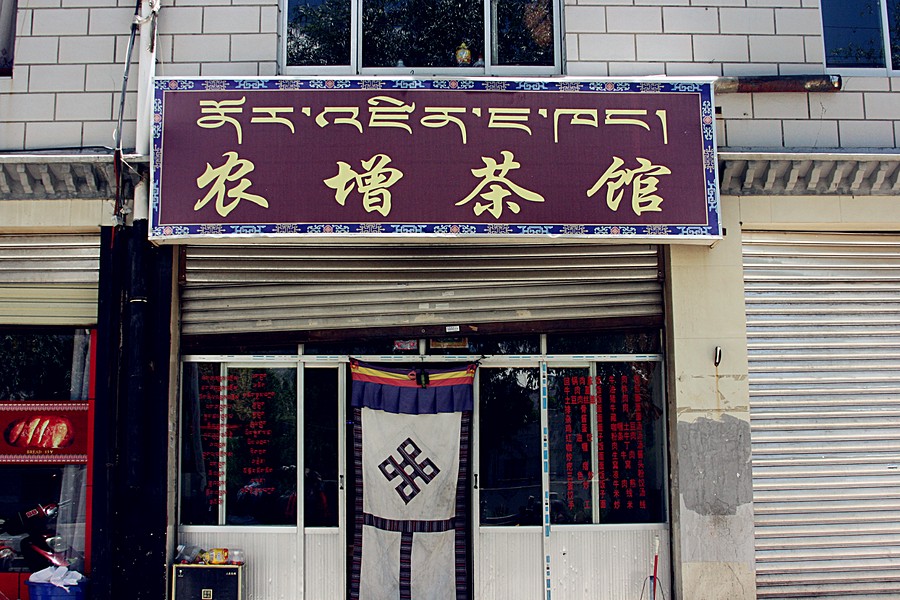
The Tea House in Lhasa
We tried the butter tea later at lunch, there were two varieties: sweet or salty. The locals told us that because of the high altitude and the strong sunlight, and before lip balm had been invented, Tibetan people drink butter tea to moisturize their lips. Tsampa was the foodstuff made of barley flours and butter tea. The shape of it was like a steamed bun, and it was really filling. Tibetan people used to prepare it for long trip. Sad we did not take any pictures of them, I found a picture online. Here they are.
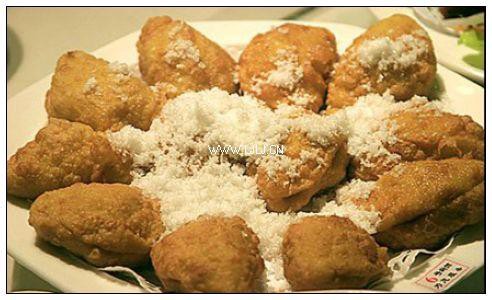
Tsampa
In the afternoon we went to the second monastery of the day, the Sera Monastery.
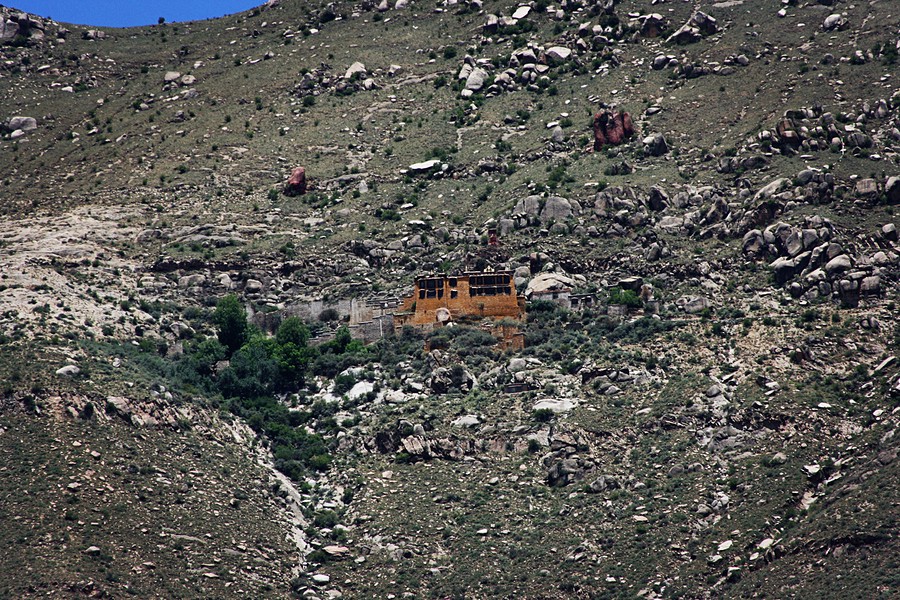
The Meditation
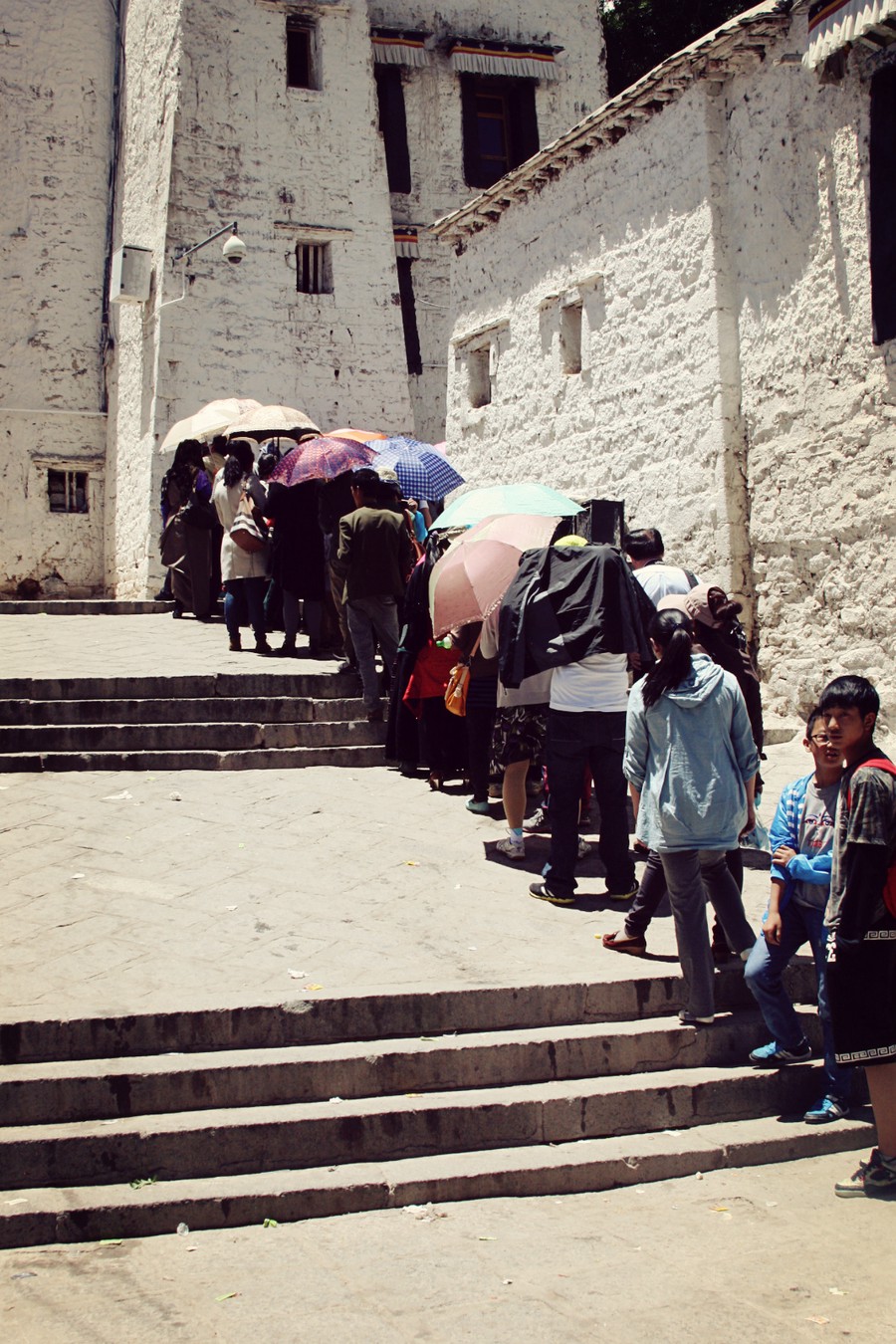
The Waiting Line Outside A Chapel
This monastery is well-known for the debate from 3 pm to 5 pm everyday. During the debate the monks divided up into pairs, one was the quizzer who was standing while the respondent was sitting on the ground which was carpeted with pebble stones.
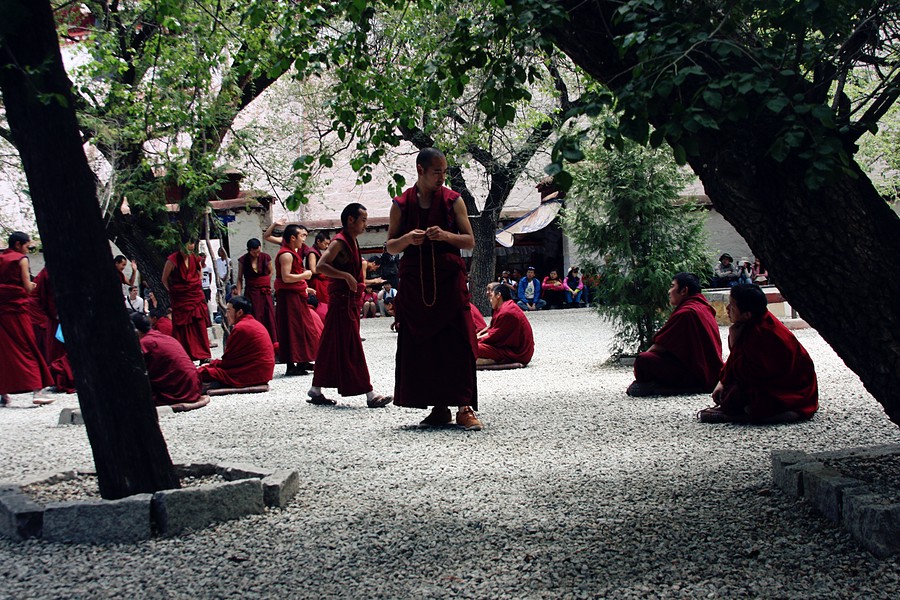
The Debate Scene
After each round of questioning, the quizzer would vigorously clap his hands once. It was not the way how we clap. Their right hand hit hard on their left palm and then raised up. It indicated the meaning of eliminating the evil and promoting the good. The pebble stones were not touchable by the audience. One had to sit along the edge of the debate ground to watch it. 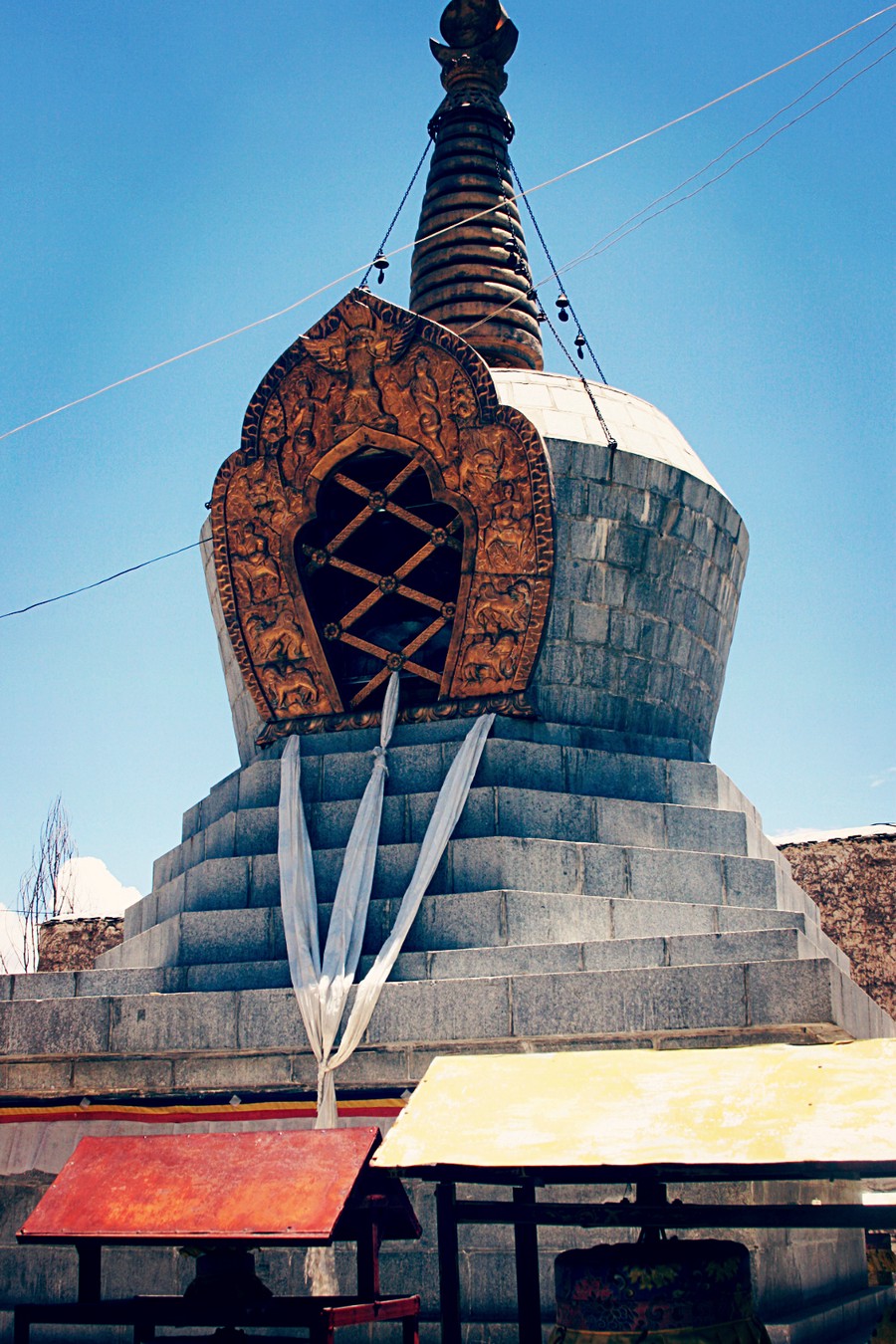 Of course, more laid back dogs here.
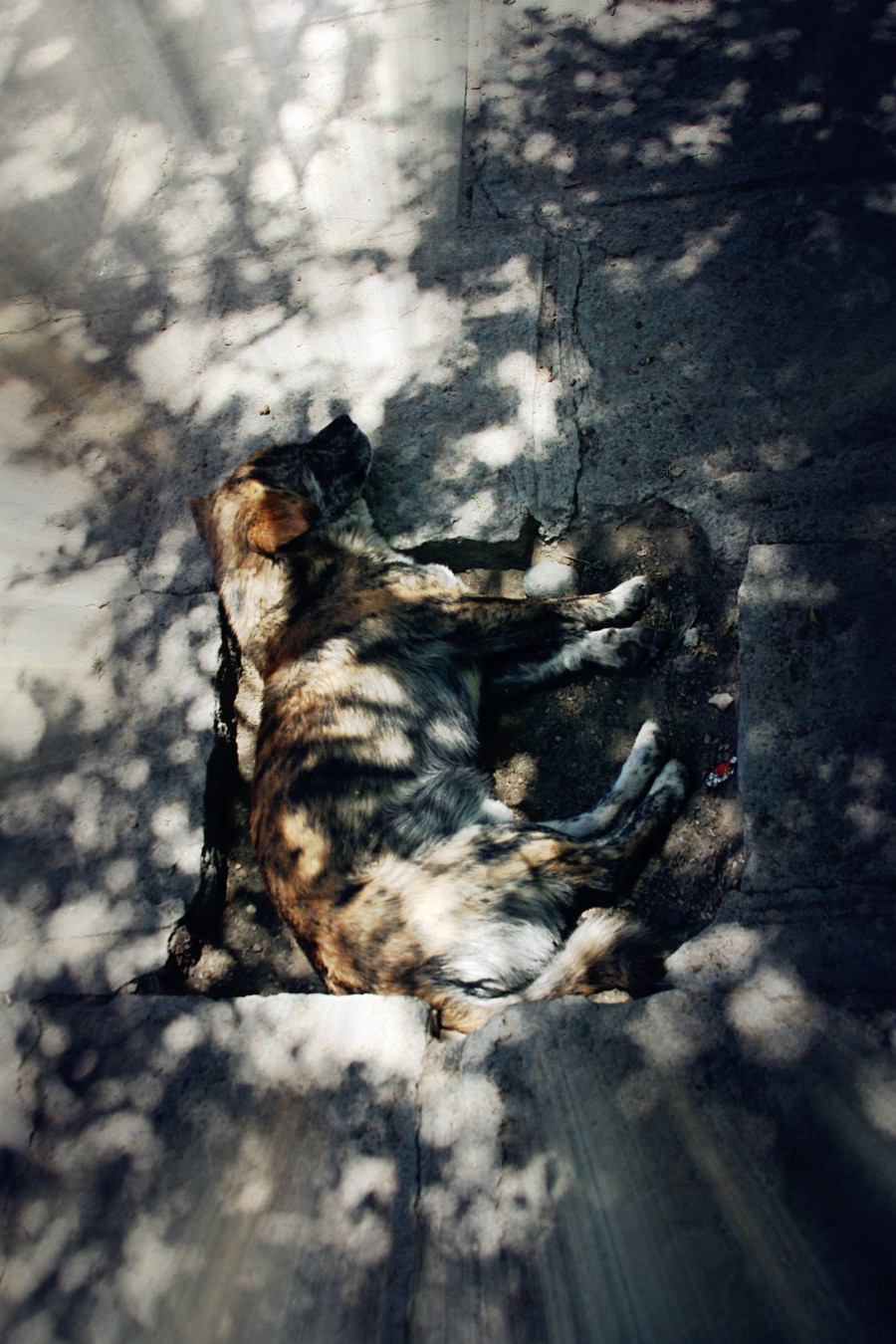
Perfect Bed